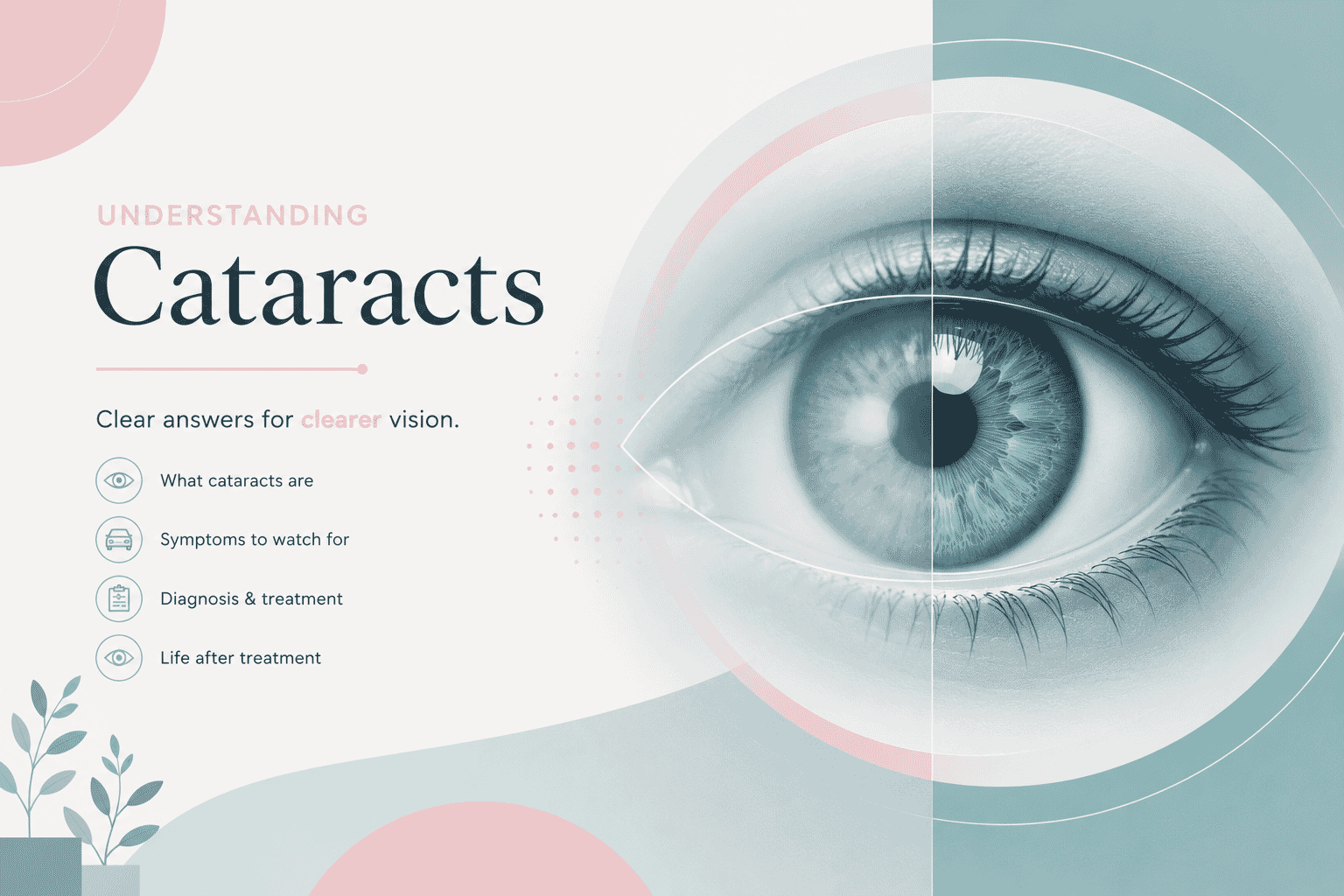




If your vision has started to feel a bit hazy, lights seem more dazzling than they used to, or your glasses do not feel as “sharp” as they should, you might be wondering about cataracts.
At Eyediology Styling Opticians on Commercial Street, East London (near Spitalfields and Shoreditch), we see cataract changes all the time. They are common, usually slow to develop, and in many cases very manageable once you understand what is going on.


What is a cataract?
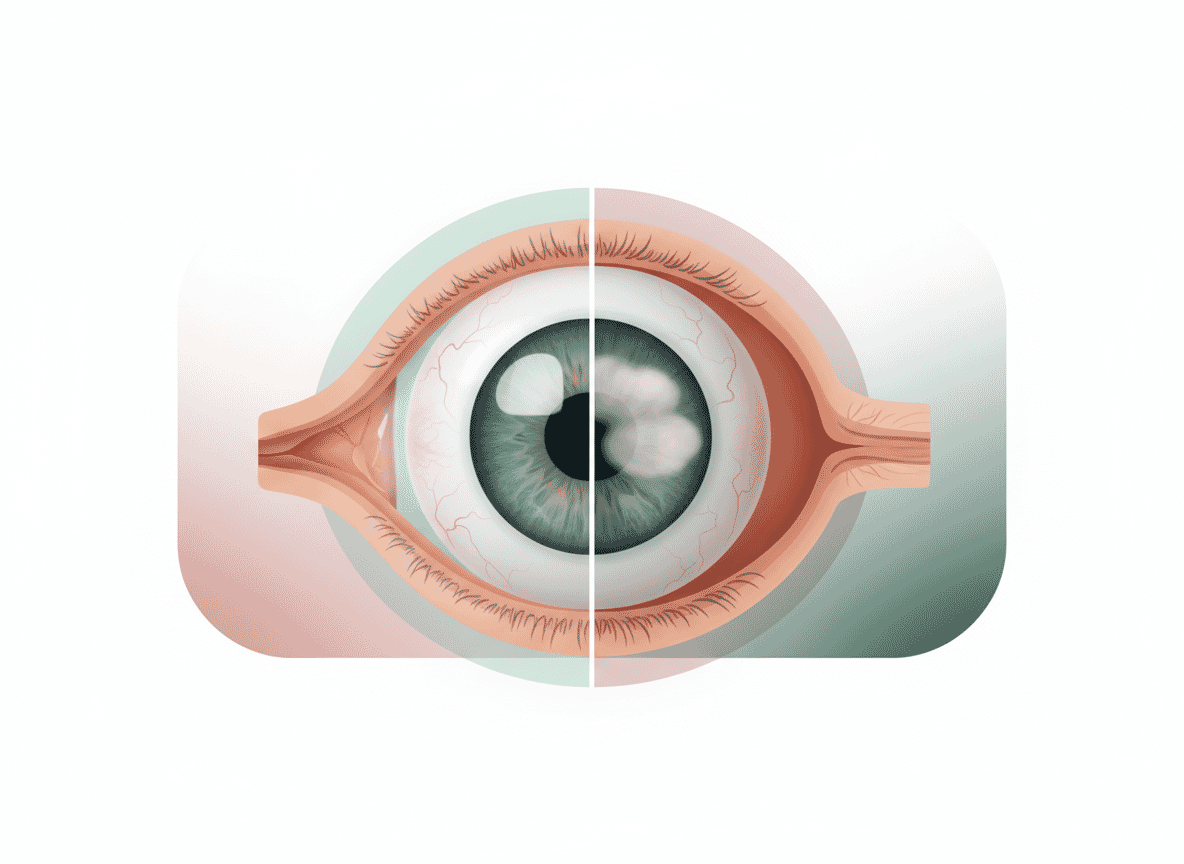
A cataract is when the natural lens inside your eye becomes less clear over time. The lens is normally transparent, helping light focus neatly onto the retina. When it becomes cloudy, light scatters as it enters the eye, which can affect clarity, contrast, and comfort.
Cataracts are not an infection and they are not caused by “using your eyes too much”. They are most often a normal age-related change.
Common cataract symptoms
Cataract symptoms can be subtle at first, then gradually more noticeable. Common signs include:
- Blurred, misty or foggy vision that does not fully clear with glasses
- Glare and halos around lights, especially at night
- Colours looking duller or more yellowed than before
- Needing brighter light to read
- Frequent prescription changes over a short period
- Feeling like there is a film over the eye (even when the surface of the eye is fine)
If you have any of these symptoms, it does not automatically mean you have cataracts, but it does mean it is worth having a proper eye test.
What causes cataracts?
Most cataracts are age-related, but risk can be higher with:
- UV exposure over many years
- Smoking
- Diabetes
- Long-term steroid medication (tablets, inhalers, creams, or eye drops depending on dose and duration)
- Previous eye injury or surgery
- Family history (in some cases)

Can cataracts be treated with glasses?
In early stages, updating your glasses can sometimes improve vision, because cataracts can shift your prescription. But if the lens itself is cloudy, glasses can only compensate to a point.
That is why it is important to check whether the blur is coming from:
- the prescription
- the lens inside the eye (cataract)
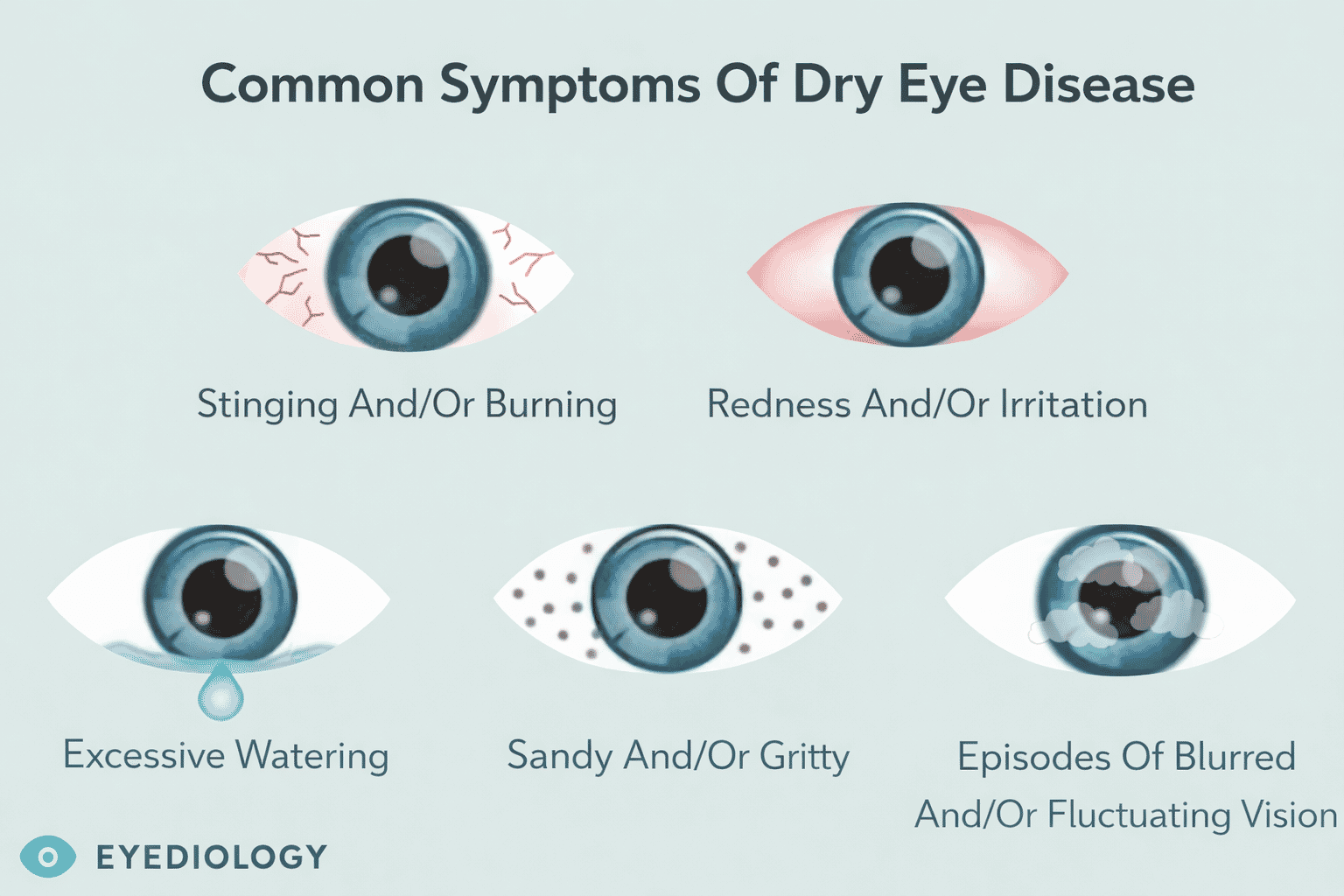
- the surface of the eye (dry eye)
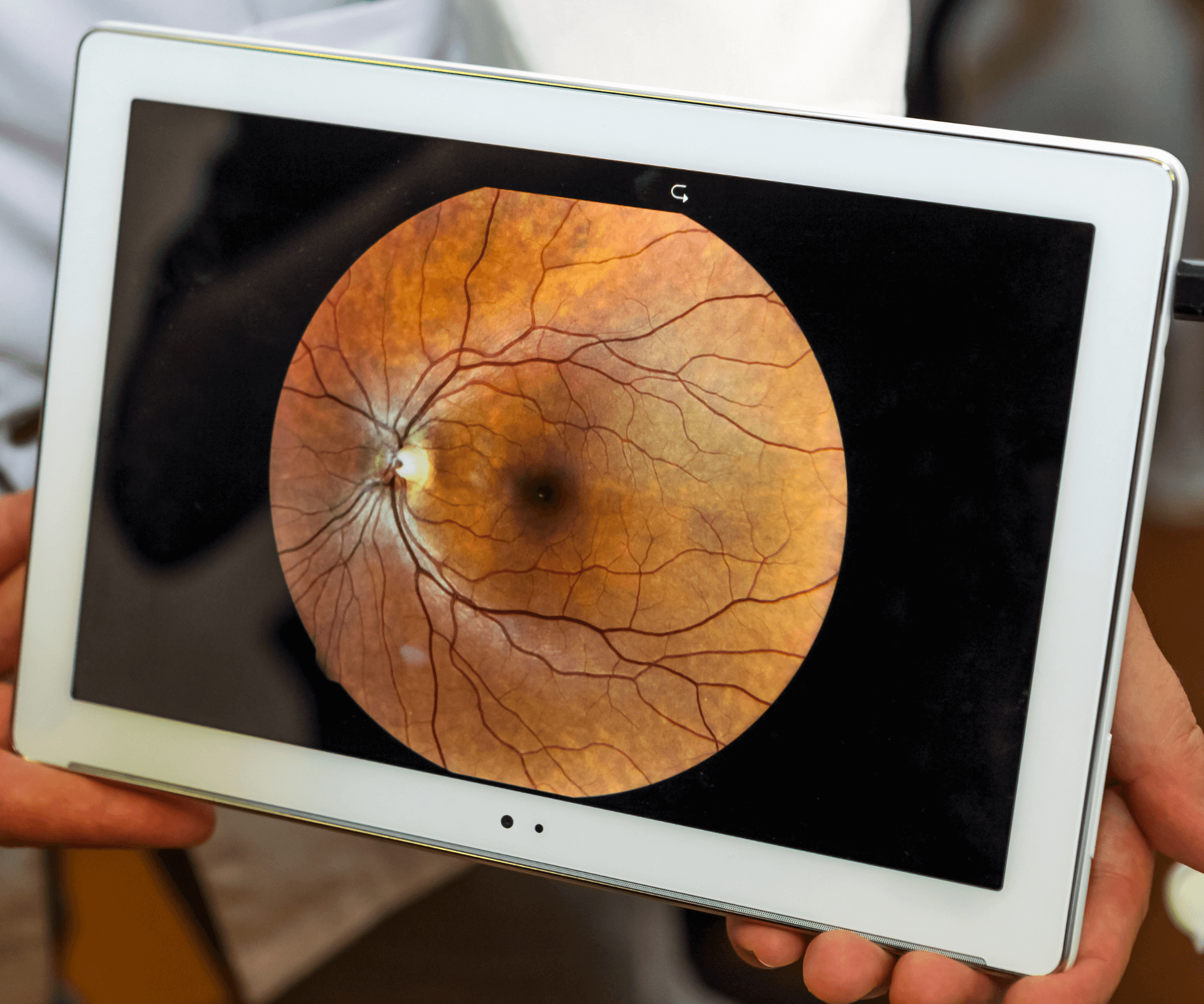
- the retina or optic nerve (health-related causes)
When glasses are not enough (and what we check in clinic)
If you feel like your glasses are “not doing their job” anymore, it is often because the cause is not purely prescription.
In an eye test at Eyediology, we will:
- check your vision and prescription carefully
- examine the lens to assess whether cataract changes are present and how advanced they are
- assess the health of the rest of the eye to rule out other causes of blur or glare
- explain what we have found in plain English, including what you can do next
- advise on when a referral is appropriate, if needed
If cataracts are present, we will talk you through what stage they are at and what that means for your day-to-day vision.

When should you book an eye test?
If you are noticing glare, blur, halos, or frequent changes in your prescription, it is worth booking in. Even if it turns out not to be cataracts, you will get clarity on what is causing the symptoms and what your options are.
Ready to chat or book?